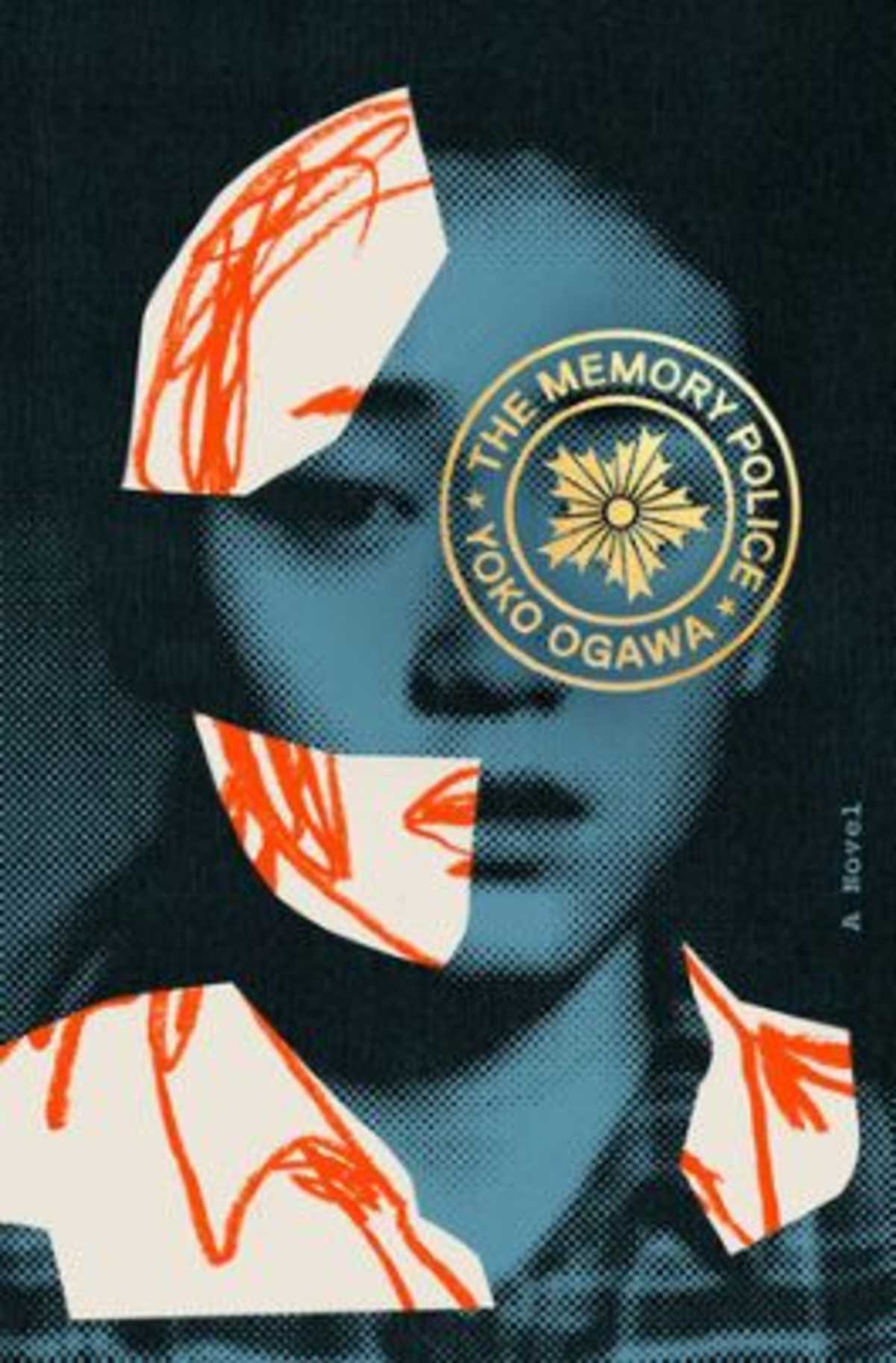
Although The Memory Police appeared more than thirty years ago, it speaks to the present moment, when sinister forces work to destroy human freedom and initiative.
A nameless narrator describes how squads of police officials sweep through her island community to remove random objects such birds, ferryboats, and rose gardens. Once the items are gone, most people cease to remember them. Some brave souls provide safehouses for the few people whose memories remain intact. But the Memory Police are relentless. They track down and arrest those who do remember. Having forgotten so many things already, the narrator believes that she may soon forget how to write.
Significantly, her current novel concerns a typing student whose teacher locks her in a clock tower with piles of defective typewriters, apparently to break her spirit. Both the narrator and her story’s victim accept their plights with resignation, as if persecution were natural and benevolent. Still, acts of kindness persist among the oppressed islanders. Even amid famine they share food and risk arrest to protect friends and loved ones.
Ogawa’s premise is not new. It combines elements of George Orwell’s 1984, Ray Bradbury’s Fahrenheit 451, and The Diary of Anne Frank. Her poignant words teach us to value the little things in life, for when we forget them, we lose something of ourselves. “My memories don’t feel as though they’ve been pulled up by the root,” says one character. “Even if they fade, something remains. Like tiny seeds they might germinate again if the rain falls. And even if a memory disappears completely, the heart retains something. A slight tremor or pain, some bit of joy, a tear.”
The Memory Police speaks to today’s war against the goodness in humanity. Unless we are vigilant, we may lose the precious freedom our forebears fought to win and whose descendants died to preserve. This five-star novel should be required reading because freedom, like memory, is a fragile thing.
Chevron Ross's novels include Weapons of Remorse, The Seven-Day Resurrection, and The Samaritan's Patient. Click here for more information.