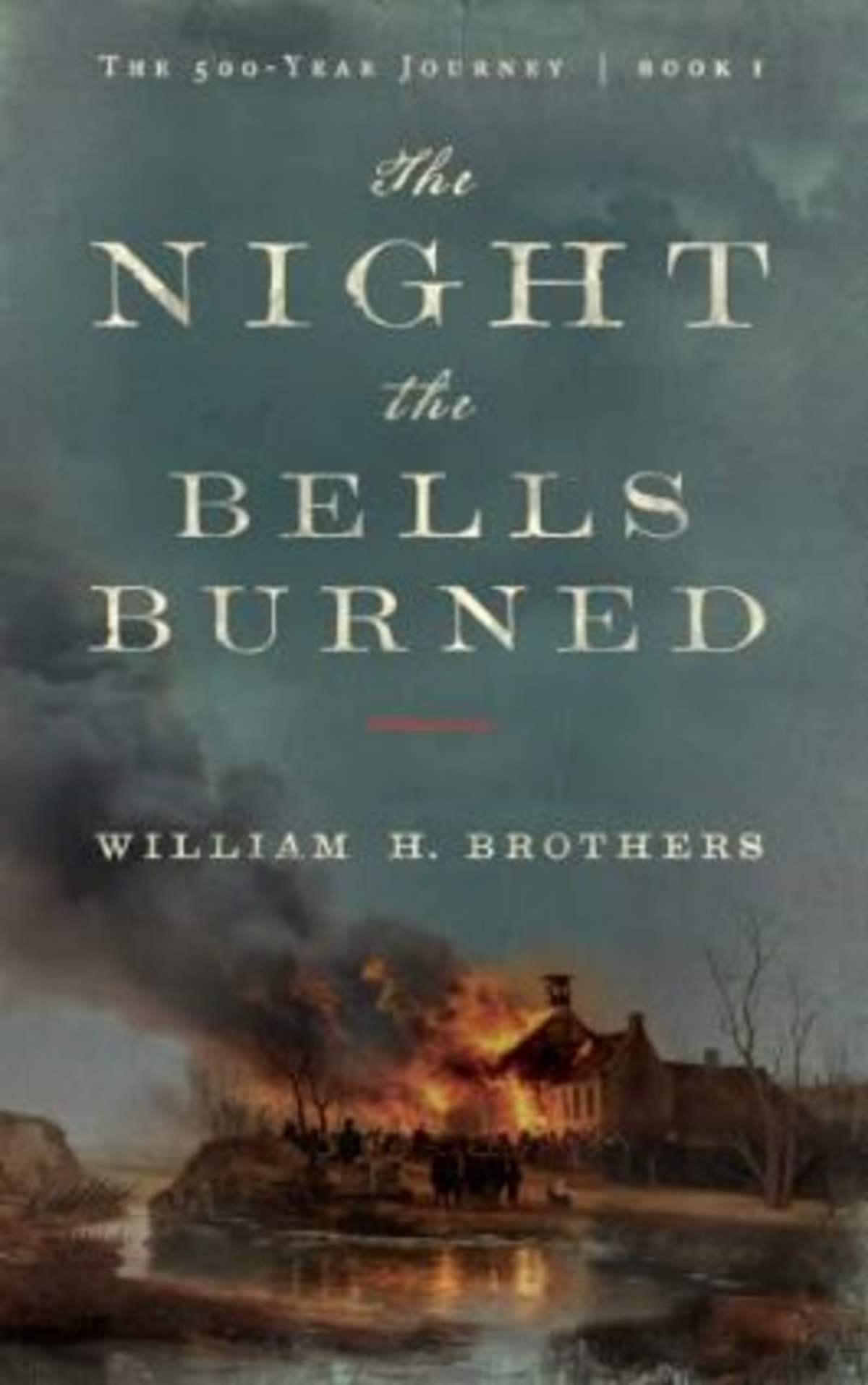
In war, the aggressor fights to conquer. The target fights to keep what he has. The outcome depends on whose determination is strongest. William H. Brothers, a descendant of the characters in this novel, suggests in eloquent detail how his ancestors managed to prevail against a foe who should have been able to win, but could not.
This story of the Dutch Revolt begins in the year 1544 in Utrecht, a city suffering under plague and oppression. Spanish soldiers are hanging people for reading “unauthorized scripture,” a reference to the Spanish Empire’s crackdown on Protestantism.
With the noose tightening, blacksmith Cornelis Schutt packs up his wife and children and flees to an abandoned house on the island of Wieringen, where his business continues to thrive. But oppression follows the Schutts everywhere. When they return to Utrecht after eight years, they find the plague gone but the Spaniards more ruthless than ever. Forced to choose between submission and rebellion, the Schutts choose to fight.
Brothers’ admiration for his stalwart forebears shines from every page of this historical novel. With episodic narration he carries us through forty years in which Schutt's children grow up, fall in love, marry, and risk their lives to protect their country and way of life. Because they hold the home ground advantages of common culture and patriotism, the Dutch tradespeople foil the Spaniards with cleverness and brotherhood. They smuggle weapons in their grain shipments, forge documents, and engage in the kind of guerilla warfare that has defeated superior foes throughout centuries of failed conquest.
To supplement the reader’s imagination, the author includes numerous helpful illustrations reminiscent of wood prints . The brisk pace keeps us engaged, although I occasionally found myself lost in a sea of unfamiliar terminology. But I couldn’t help rooting for the Dutch, although they are fictional ghosts of people who lived and died centuries ago.
At the end, Brothers tells us that The Night the Bells Burned is the first in a series of books devoted to these stalwart characters and their descendants. Despite some editing and proofreading oversights, I recommend it for its excellent writing, strong sense of history, and well-drawn cast of characters.
Chevron Ross's novels include Weapons of Remorse, The Seven-Day Resurrection, and The Samaritan's Patient. Click here for more information.